
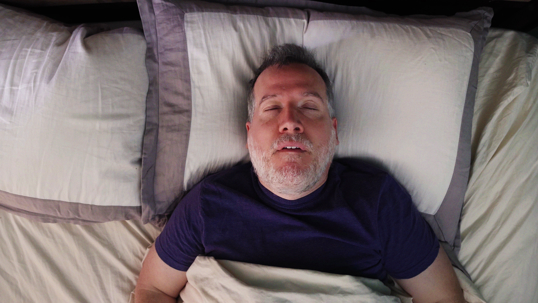
When most people reach out to our team at Soza Weight Loss in Louisiana, their main goal is usually to change how they look and feel. But every so often, another reason comes up, sometimes almost as an afterthought. A client might mention that a doctor recently flagged their loud snoring, or that a sleep study just confirmed obstructive sleep apnea.
Let’s be clear right up front: weight loss is never a substitute for a sleep specialist. But when approached the right way, losing weight can be a powerful tool to support the treatment plan you and your doctor already have in place.
We already know that poor sleep can stall your progress on the scale. Today, we are looking at the other side of the equation: how losing weight can actually help you get a better, more restful night’s sleep.
The Link Between Excess Weight and Sleep Apnea
Obstructive sleep apnea happens when the airway narrows or collapses during sleep, cutting off airflow for a few seconds at a time, sometimes hundreds of times a night. Extra soft tissue around the neck and throat is one of the most common contributors to this narrowing.
This is why sleep apnea and excess body weight often occur together. It is also why losing weight, specifically fat rather than muscle or water, has a real, physical effect on the airway itself, not only the number on the scale.
What Weight Loss Can and Cannot Fix
We always want to be completely honest about the limits here, because overpromising doesn't help anyone. While shedding extra weight can significantly ease the severity of sleep apnea for many people, it is not a guaranteed cure on its own. In fact, CPAP therapy remains the primary treatment recommended by the American Academy of Sleep Medicine.
If you currently use a CPAP machine or another prescribed treatment, keep using it exactly as directed unless your doctor explicitly tells you otherwise. Think of weight loss as a powerful tool that works alongside your medical treatment plan.
Signs Your Weight Might Be Affecting Your Sleep
It isn't always easy to connect the dots between poor sleep and your weight, especially if the only symptom you are aware of is a partner complaining about your snoring. But even before a formal sleep study confirms anything, there are a few common patterns worth paying attention to:
- You snore loudly enough that a partner or roommate has pointed it out.
- Someone has noticed you gasping, choking, or briefly pausing your breathing during the night.
- You frequently wake up with a dry mouth or a morning headache.
- You feel completely exhausted during the day, even after spending a full night in bed.
- Your weight has crept up gradually over months or years without an obvious cause.
To be clear, experiencing these things does not equate to a medical diagnosis. However, if more than one of these sounds a little too familiar, having an honest conversation with your doctor or a sleep specialist is the smartest next step, right alongside whatever you decide to do about your weight.
How Losing Weight the Right Way Supports Better Sleep
Crash diets are notorious for burning through water weight and muscle long before they touch much actual fat. This is exactly why you might see the scale drop quickly on a fad diet, but your sleep and breathing don't improve, the physical pressure on your airway hasn't actually changed.
At Soza Weight Loss, our approach is built around the exact opposite idea. We focus on targeting stored body fat while protecting your lean muscle, a vital difference we explore in greater depth in our guide on losing weight versus losing fat.
Our Rapid Weight Loss Program uses a completely all-natural approach: no diet pills, no hormones, and no expensive prepackaged meals.
Just as importantly, we pair this process with a dedicated stabilization phase once the weight comes off, giving your body the support it needs to make the results permanent. If you are managing sleep apnea or a severe snoring issue, this kind of steady, sustainable fat loss matters so much more than just a quick drop on the scale.
Ready to Make Better Sleep Part of Your Goal?
If poor sleep, loud snoring, or a recent doctor's visit has played a part in your decision to lose weight, please let us know during your very first appointment! Our team at Soza Weight Loss can factor your sleep and daytime energy goals into your plan from day one.
We never use a cookie-cutter approach. Instead, we’ll build a program around your specific health needs—the exact same personalized care we’ve used to help thousands of clients across Louisiana reclaim their health since 2011.
Ready to take the next step toward resting easier and feeling better? Submit a contact form online to schedule your consultation.